
Why we crave spicy food, explained
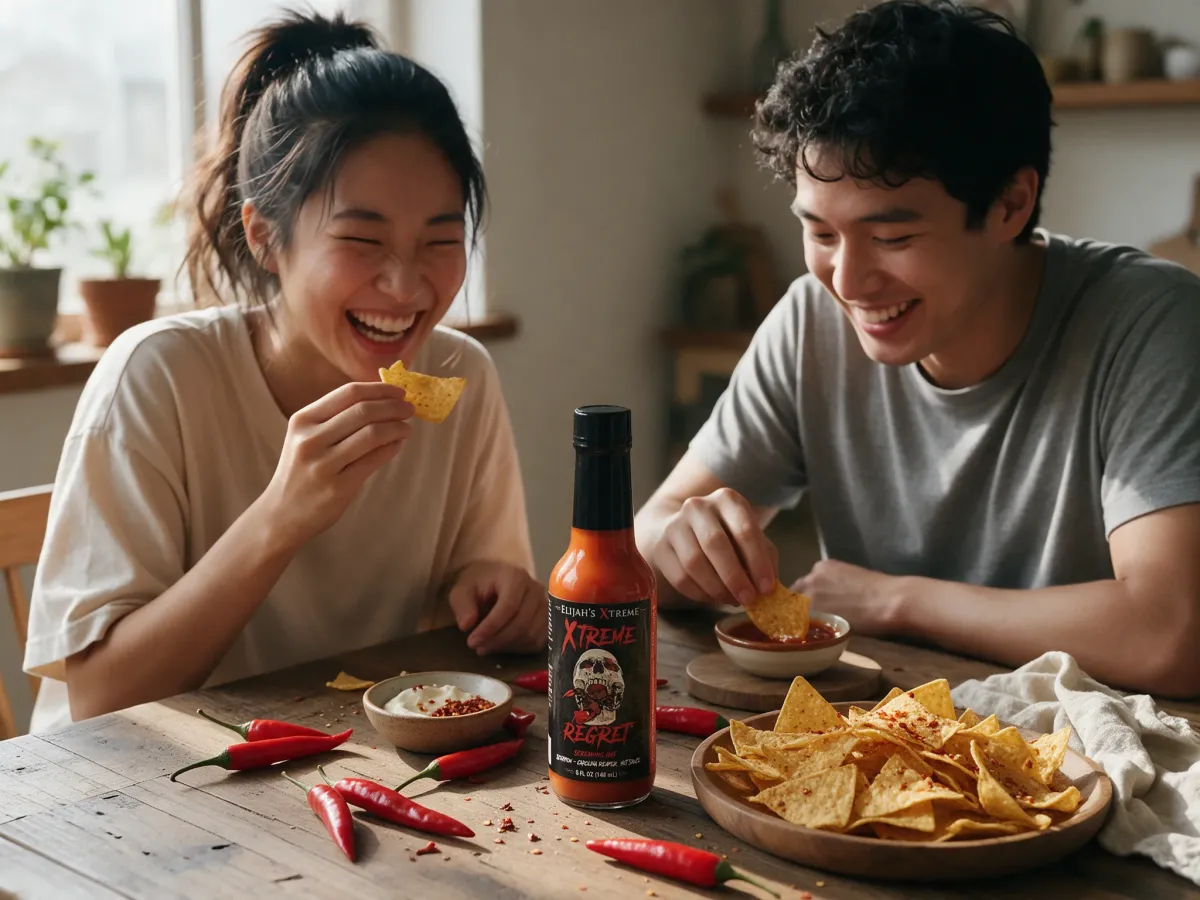
Spicy food hurts a little, and we keep going back for it. If that sounds like bad logic, you are in good company. Most of us do not crave heat because it tastes good in the usual sense. We crave it for the rush that comes after the burn.
The burn is the point
Capsaicin, the compound in chillies, is not actually a taste. It binds to the same receptors that signal physical heat, so your brain reads a hot wing as a small fire in your mouth. Your body responds by releasing endorphins, the same chemicals behind a runner's high. A little pain, then a reward. That loop is hard to quit.
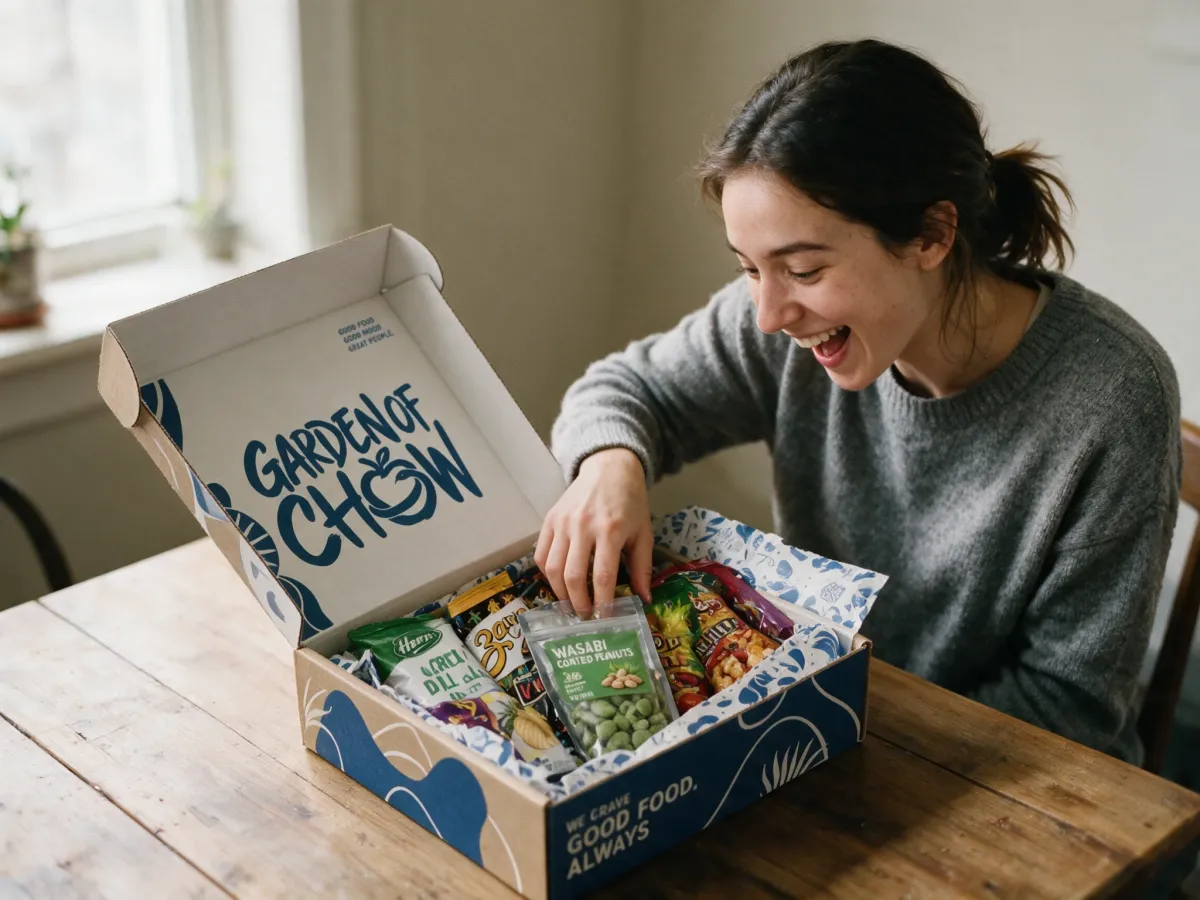
That is why people describe a good hot sauce as a thrill rather than a flavour. The heat itself has no taste. It just cranks up the volume on everything around it, so a mild crisp suddenly feels louder and a bland dip gets a personality.
Why some people go hotter
Tolerance builds fast. The receptor that capsaicin grabs gets a bit worn out with regular use, so the same sauce that once made you sweat now just feels warm. Chasing that old rush is how people end up deep in the hot sauce rabbit hole, eyeing bottles labelled with cartoonish danger.
It is also partly genetics. Some people simply have fewer of those heat receptors, so they start with a higher ceiling. If your friend can eat a reaper crisp without blinking, do not take it personally. They were built for it.
It is also about control
There is something satisfying about choosing the pain. You are in charge of how much heat you take, and you survive every time. That tiny victory is genuinely part of the appeal. It feels like a dare you set for yourself, and you win it on your own terms.
If you want to ease in, start mild and work up. The burn is easier to enjoy once you know it ends. Browse our snacks and start low on the scale, not at the top. Your future self will thank you for not beginning with a reaper.
Frequently asked questions
Is spicy food actually addictive?
Not in the chemical sense. The endorphin release can feel habit forming, but there is no real withdrawal.
Does milk actually help with the burn?
Yes. Casein in milk breaks down capsaicin better than water, which mostly just spreads the heat around your mouth.
Why do some cultures eat hotter food?
Heat often grows over generations in warm climates, where chillies also helped preserve food and mask spoilage.
Keep reading

How to meet suppliers at a food trade show
Anyone can collect samples at a trade show. Here's how we turn a quick hello into a supplier relationship that actually lasts.

Following up after a trade show so it works
Most trade show leads die in the inbox. Here's how we follow up so the good ones actually turn into orders.

DIY or curated gift box: an honest comparison
A DIY snack box feels personal, but it takes time, money, and three shops. A curated one shows up looking finished. Here is the tradeoff.