
Weather and food shipping: what breaks
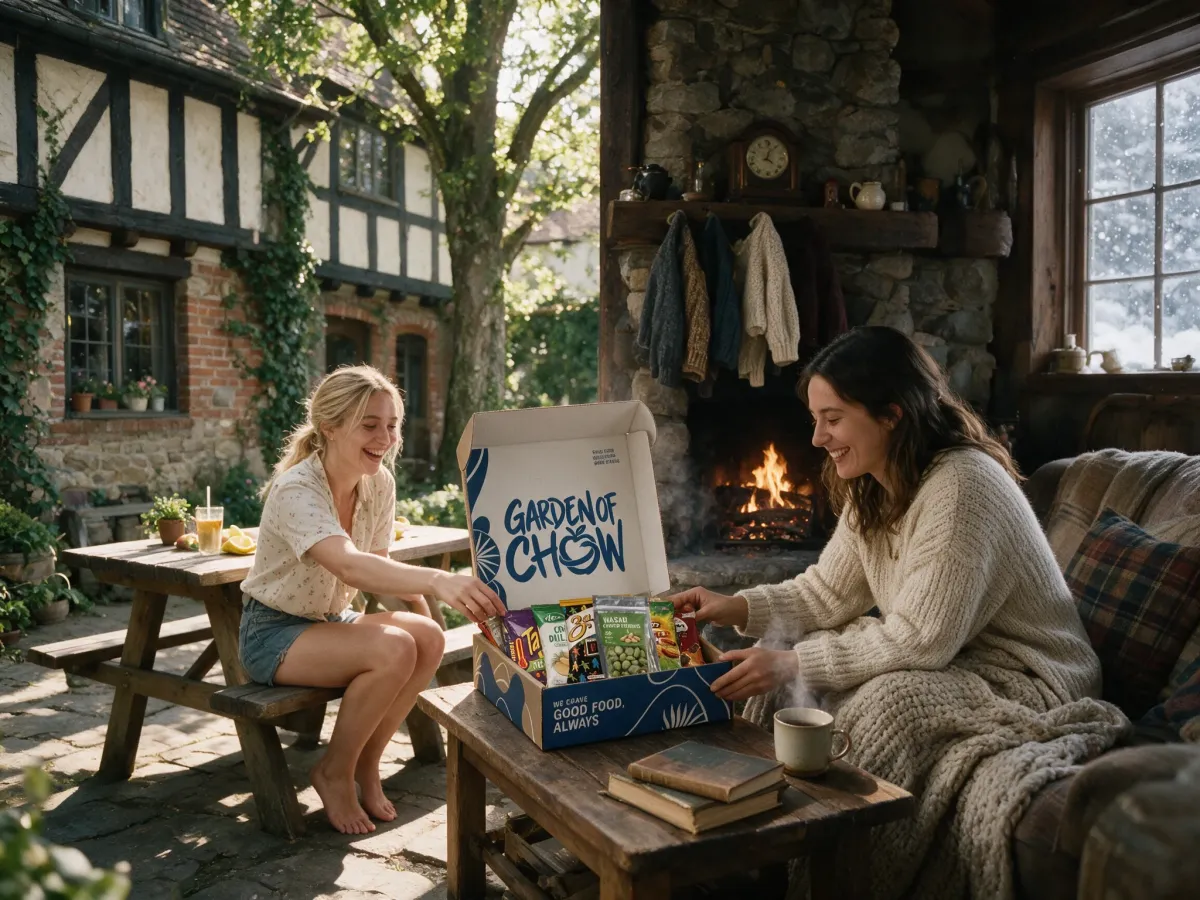
A parcel sits in a van, a depot, and sometimes a sun baked loading bay. The weather in those places has a real effect on what is inside. Heat is the obvious one, but cold and humidity do their own quiet damage too.
Heat melts the obvious things
Chocolate is the first casualty. Above room temperature it softens, then turns liquid, then resets into a dull bloom when it cools. We watch the forecast and hold heat sensitive items back or insulate them in the hot months. A melted chocolate bar is not dangerous, but it is disappointing.
Humidity ruins texture
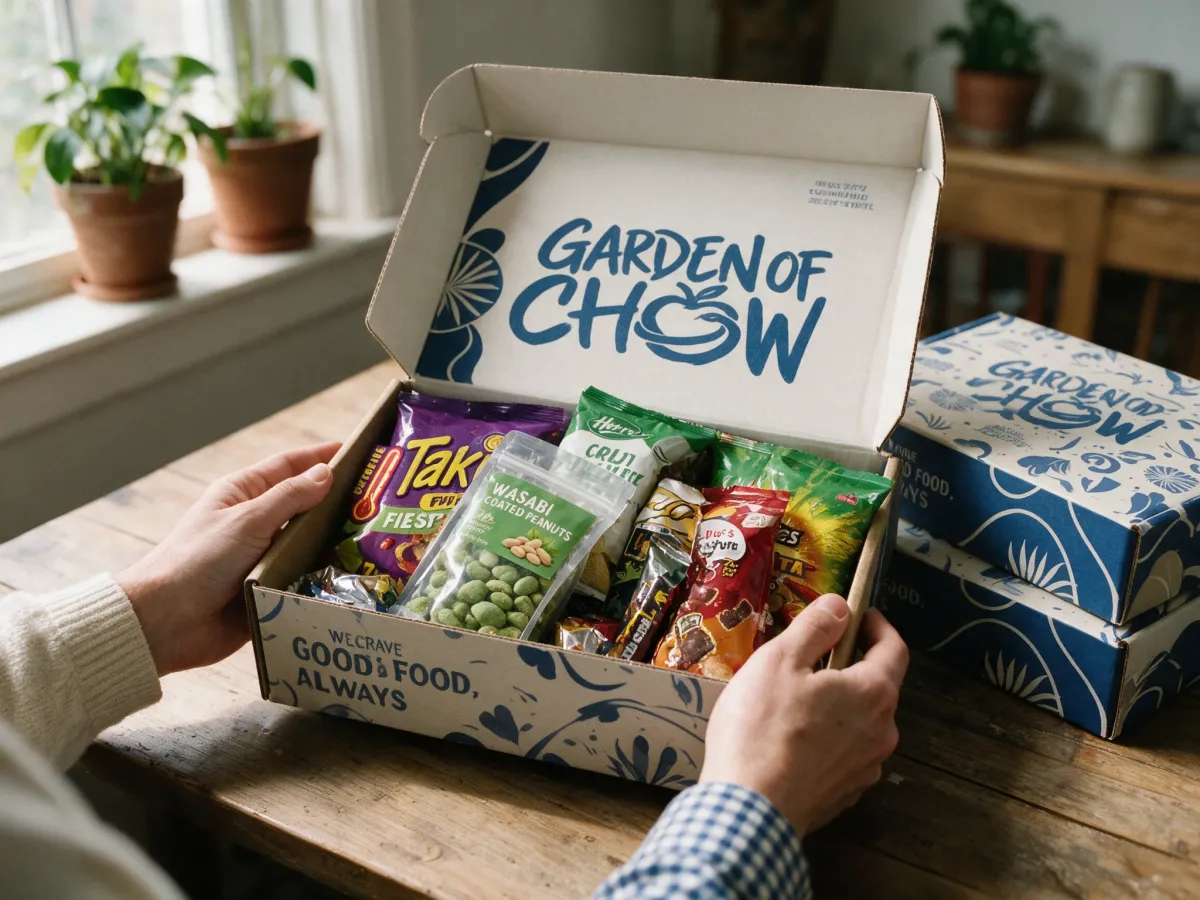
Crisps and crackers go soft when the air is damp, and some candies turn sticky. Sealed packaging handles this well, which is another reason we favour factory sealed snacks. The seal keeps the humidity out until someone is ready to eat.
Cold is less scary than people think
Cold rarely destroys a snack the way heat does. Chocolate can bloom if it gets too cold too fast, but most shelf stable snacks shrug off a chilly van. Winter shipping is mostly fine, as long as nothing sits in the cold for weeks.
If you are ordering for a hot month and want a box that can take it, the gift boxes page is a good guide. Or contact us and we will point you at the melt proof options.
Frequently asked questions
Do you skip chocolate in summer?
We may swap or insulate it, so it arrives solid.
Does rain damage a parcel?
It can, which is why we use sealed outer packaging.
Is winter shipping safer?
Usually. Cold is easier on snacks than heat is.
Keep reading
Why food gifts beat more stuff
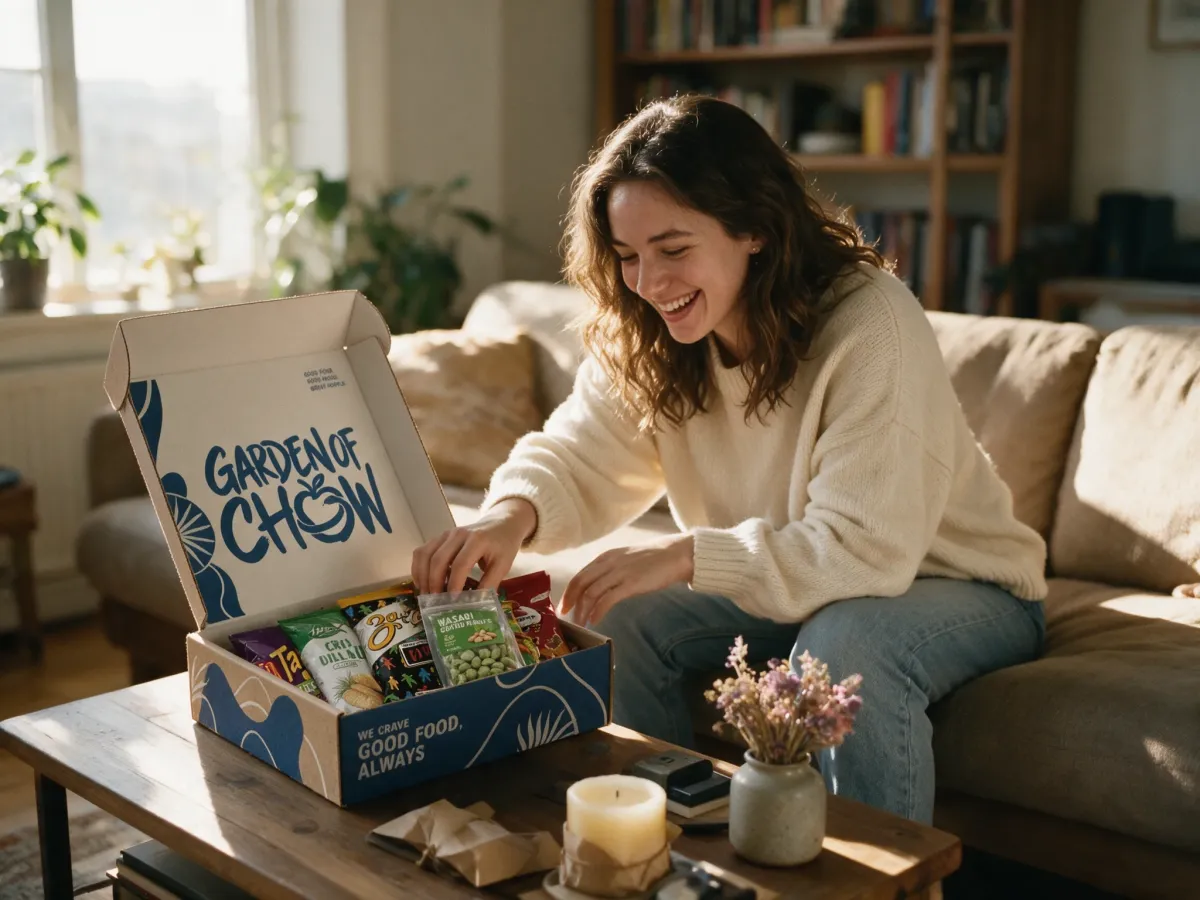
Everyone already owns enough stuff. Here's why a box of snacks makes a better gift than another candle, gadget, or thing that ends up in a drawer.
From trade show stand to your snack box
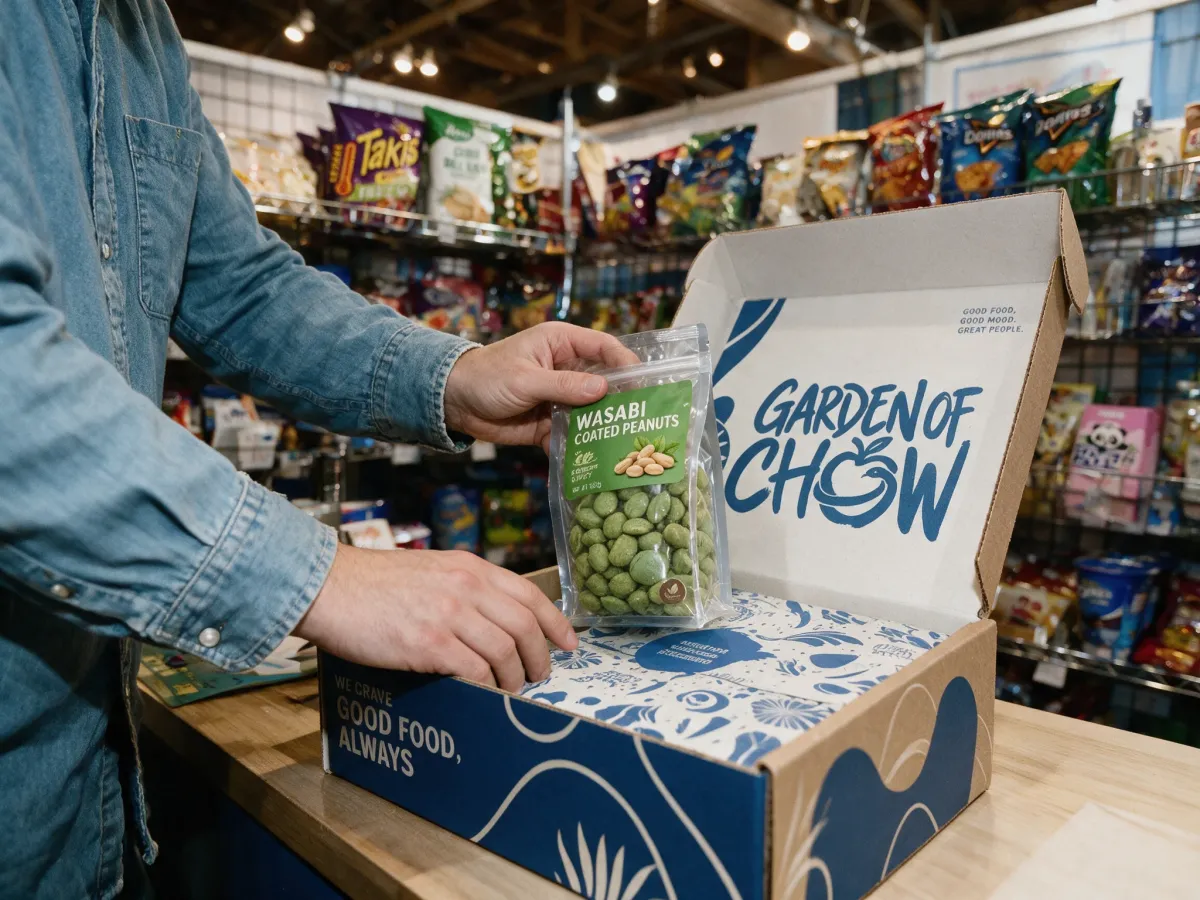
A snack doesn't jump from a SIAL stand into a box by itself. Here's the real path from first taste to your front door.

HR welcome kits with snacks people keep
Most welcome kits get half thrown away before lunch. Here's how to build an HR welcome kit people actually keep and use.