
The science of hot sauce
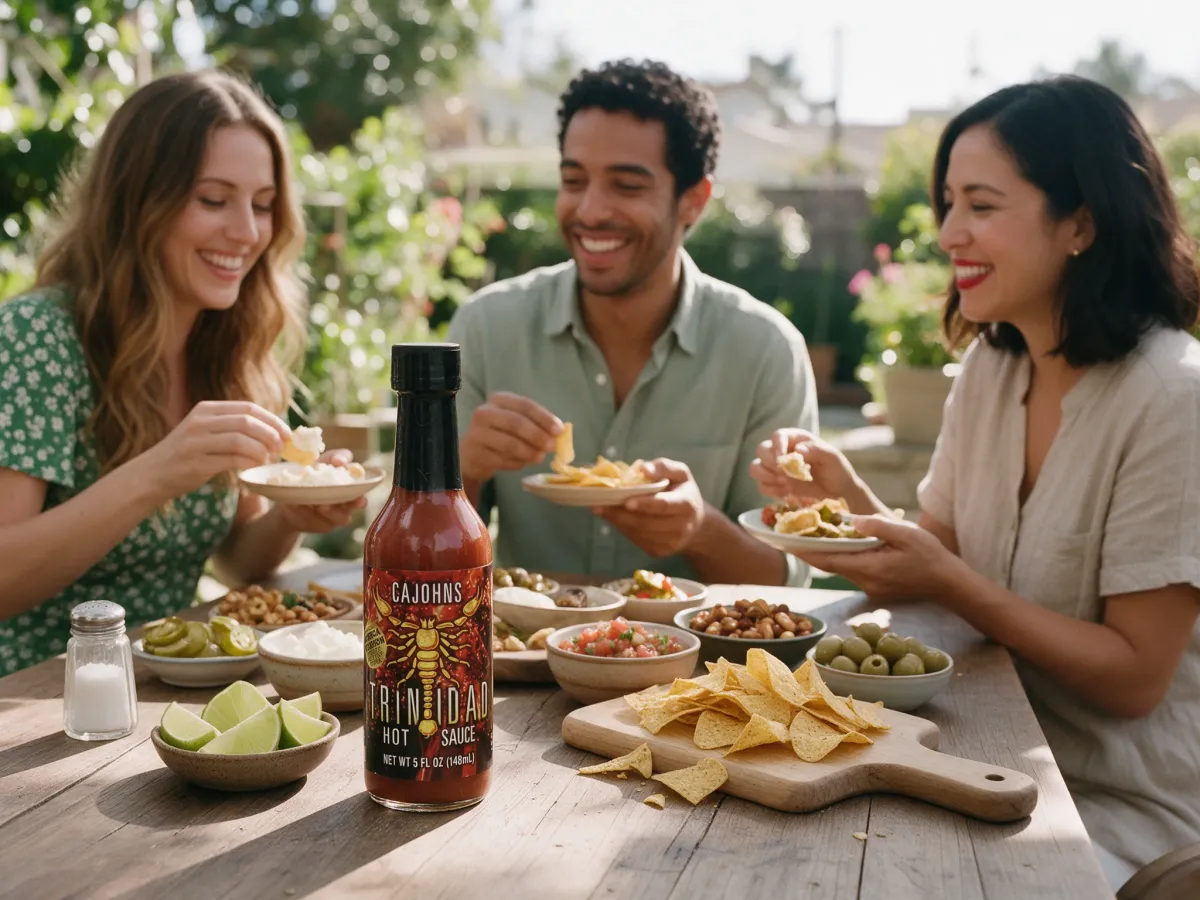
A great hot sauce is not just hot. It is a small chemistry experiment that has to balance a few forces at once, and most of the bottles on the shelf get it wrong. Here is what the good ones do.
Heat is just one ingredient
The capsaicin in a sauce provides the burn, but burn alone is boring. That is why pure extract sauces taste like regret. The heat needs company to be worth eating. A good sauce uses the burn as a backdrop, not the whole show. The pepper should taste like something beyond the fire.

Acid makes the heat move
Vinegar is the engine. It carries the heat across your tongue instead of letting it sit in one spot, and it keeps you salivating so the flavour stays bright. Acid and heat feed each other. More vinegar and the burn spreads faster. Less, and it sits heavy and slow. It is the acid that keeps the heat moving instead of just sitting there.
Salt and sugar do the rounding
Salt makes everything louder, including the heat. Sugar softens the edges and lets fruitier notes through. The balance between salt and sugar is what separates a sauce you finish from one you try once and hide in the fridge. That balance is where most bottles fail.
Why the order matters
You cannot just mix everything together. The order and the aging change the result. Roasting peppers before blending deepens them. Aging a sauce lets the flavours settle and the harsh edges fade. The best sauces taste like they took time, because they did. Time is an ingredient nobody lists on the label.
Next time you try one, taste it in stages. First the acid, then the salt, then the heat arriving. If you can read the layers, you can start to tell a great sauce from a stunt. Our spicy snacks are a good place to practise. Start with a bright, vinegary sauce and work toward the slow burners.
Frequently asked questions
What makes a hot sauce good?
Balance. Heat alone is boring. Acid, salt, and a bit of sugar have to support it.
Does ageing actually help a sauce?
Yes. Time rounds off harsh edges and lets flavours merge into something smoother.
Why do extract sauces taste bad?
They are pure heat with nothing to carry it. All burn, no flavour, no balance.
Keep reading

Gift boxes for remote teams
Remote teams miss the kitchen and the coffee chats. A shared snack box shipped to every home brings some of that back.
Building a gluten free snack box that isn't boring
Gluten free often means dry rice cakes and sad crackers. Here's how to build a snack box that skips the gluten without skipping the fun.

Welcome boxes for new hires
A first day sets the tone for a whole job. A welcome box with snacks is the easiest way to make day one feel less lonely.