The psychology of snacking
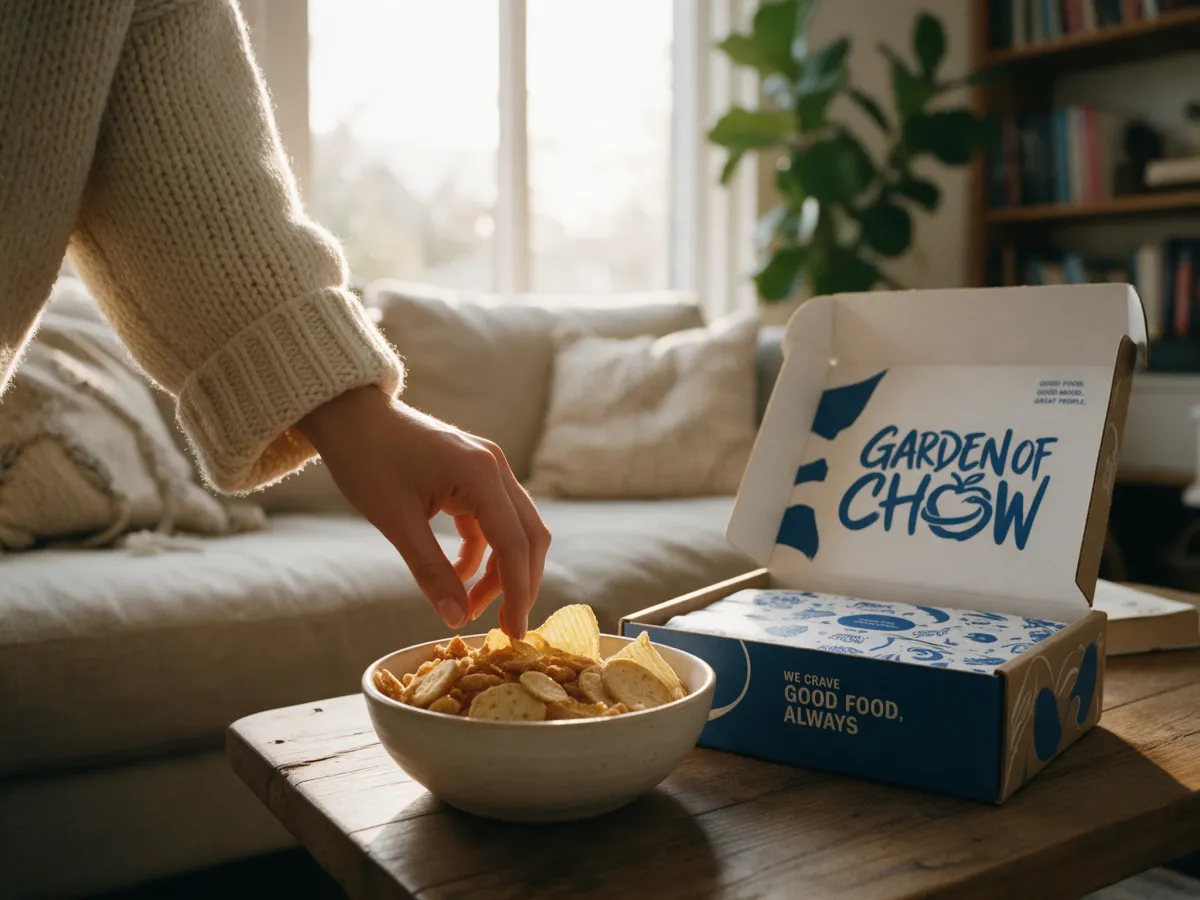
Most snacking has very little to do with hunger. You can finish a full meal and still want chips an hour later. That is not your stomach talking. It is your brain, and it has a few habits worth understanding.
The boredom loop
Boredom is probably the biggest snack trigger there is. When nothing is happening, your brain wants a little stimulation, and food is the easiest button to press. A crunchy, salty snack gives instant feedback. It is something to do, not something to eat.
That is why mindless eating happens in front of a screen. Your hands are free and your attention is elsewhere, so the bag empties without you noticing a single bite. The snack is gone before the film is halfway through.
Comfort is a real chemical
Snacks hit the reward system directly. Fat, salt, and sugar each trip a switch, and together they are hard to resist. The right snack can genuinely lower stress in the moment, which is why comfort eating is so universal and so hard to shame away.
The key is noticing the difference between wanting comfort and wanting food. One snack out of a real craving is fine. Half a bag out of habit is where it gets away from you.
Why small portions trick the brain
Portioning works. A snack eaten from a small bowl feels like more than the same amount eaten from the bag. Your brain treats the bag as one unit, so finishing it is not a decision, just a path. Separate portions interrupt that autopilot.
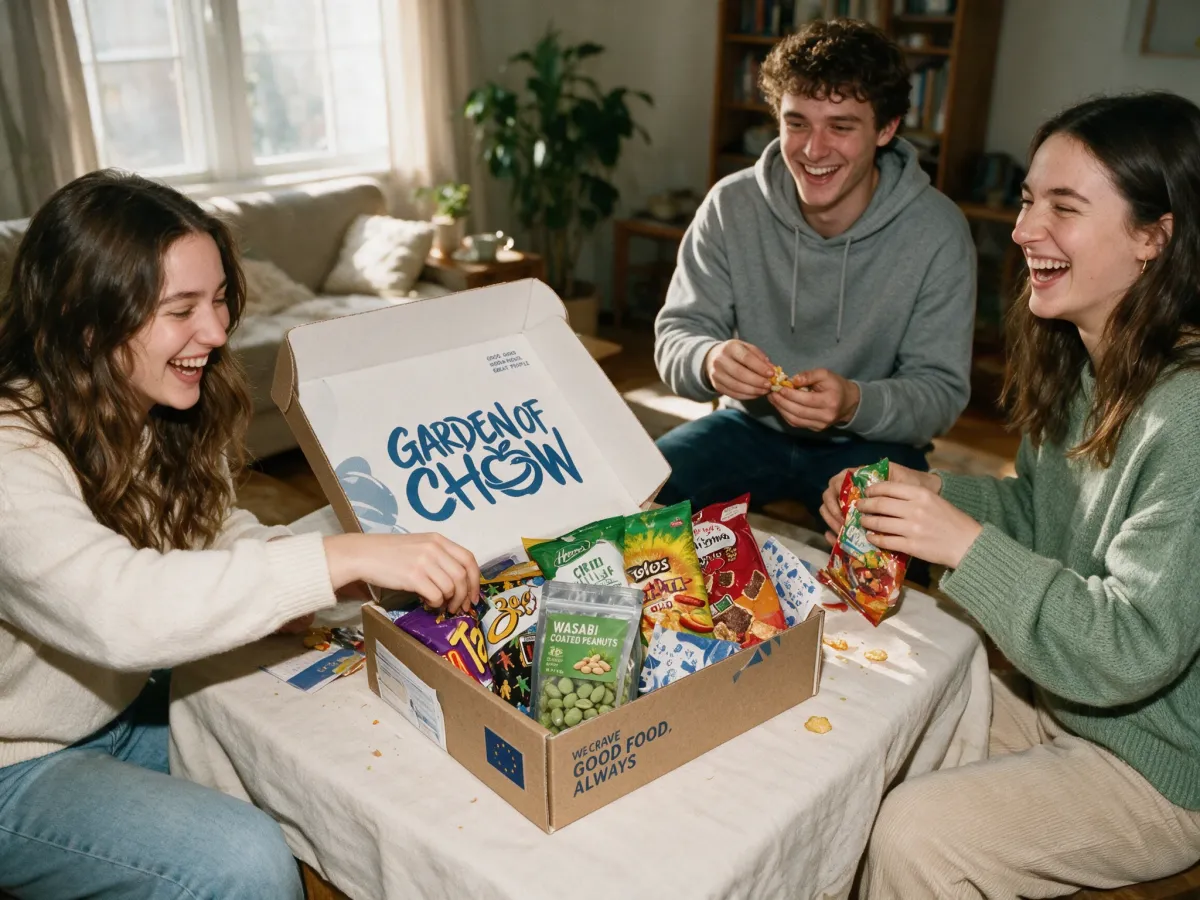
This is actually why a curated box works so well. Instead of one big bag, you get many small, distinct snacks. Each one is its own tiny event with a start and a finish. Browse our gift boxes and you will see how variety resets the loop better than volume ever does. The goal is not to quit snacking, just to notice why you reached for the bag in the first place.
Frequently asked questions
Why do I snack when I am not hungry?
Boredom, stress, or habit. Your brain reaches for stimulation or comfort, and food is the fastest option.
Is snacking bad for you?
Not on its own. Frequency and portion size matter more than the fact of snacking.
How do I stop eating a whole bag?
Portion it out first. Moving a snack to a bowl makes the amount feel real and interrupts the autopilot.
Keep reading
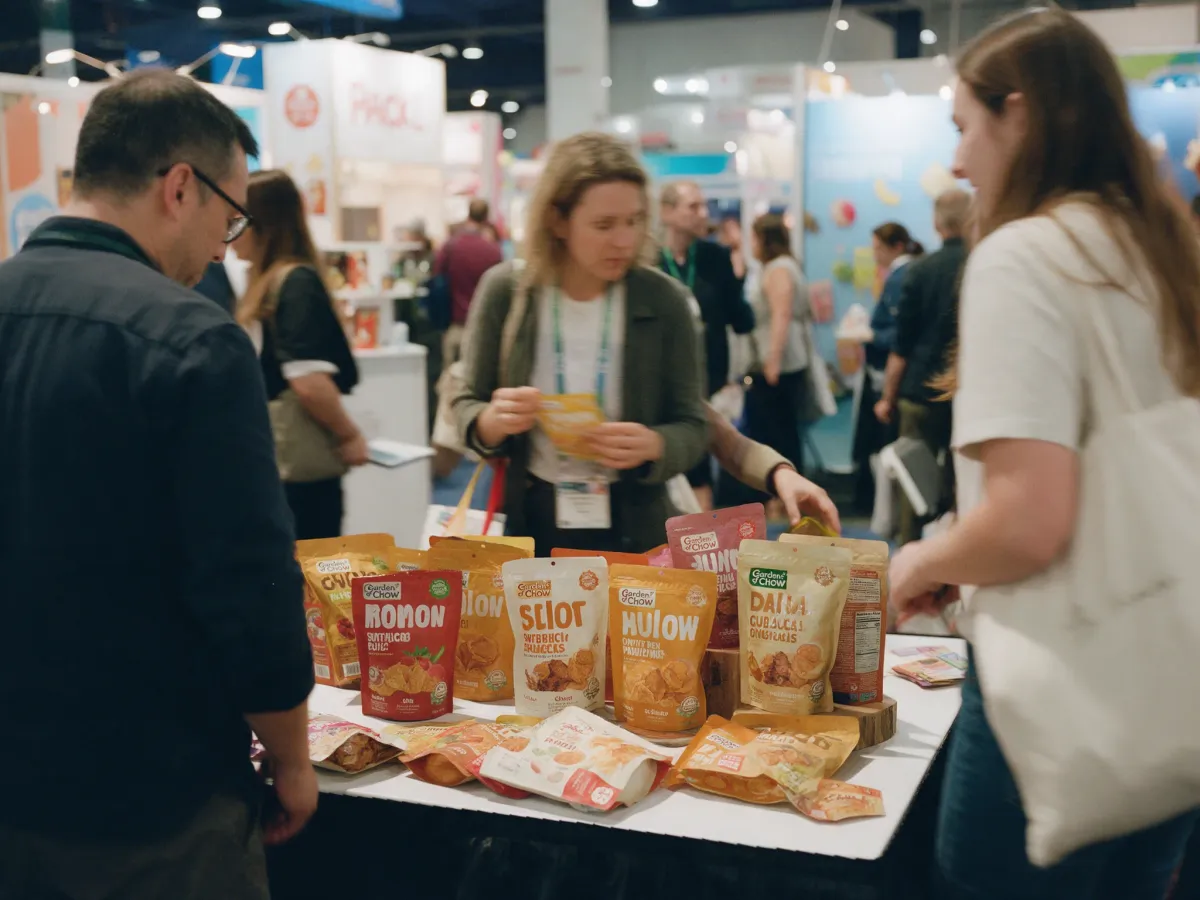
The food trends we spotted at SIAL
Trends show up at SIAL long before they reach the shelf. These are the ones we kept seeing stand after stand, country after country.
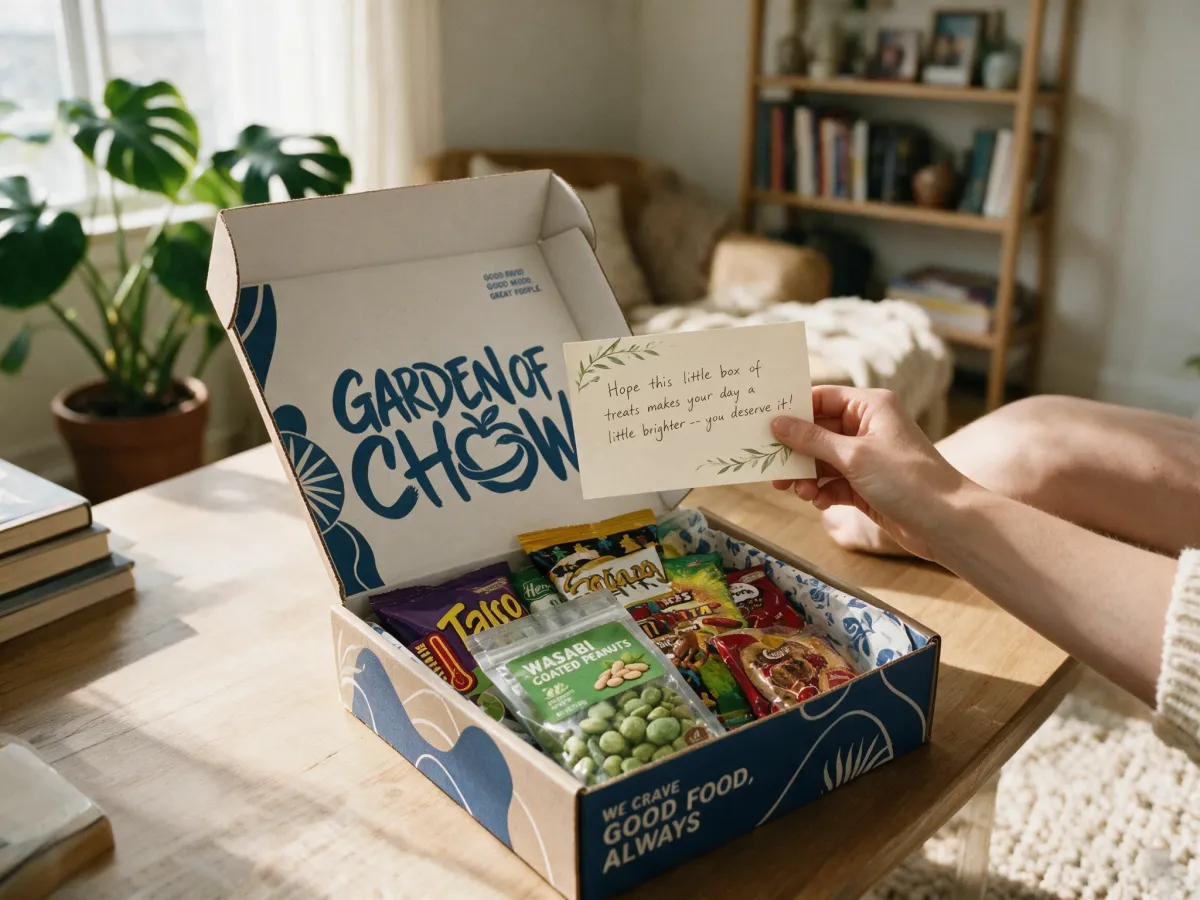
What to write on a snack box gift note
The note is the part people actually keep. Here's how to write a short, real gift note for a snack box, with lines you can borrow or tweak.
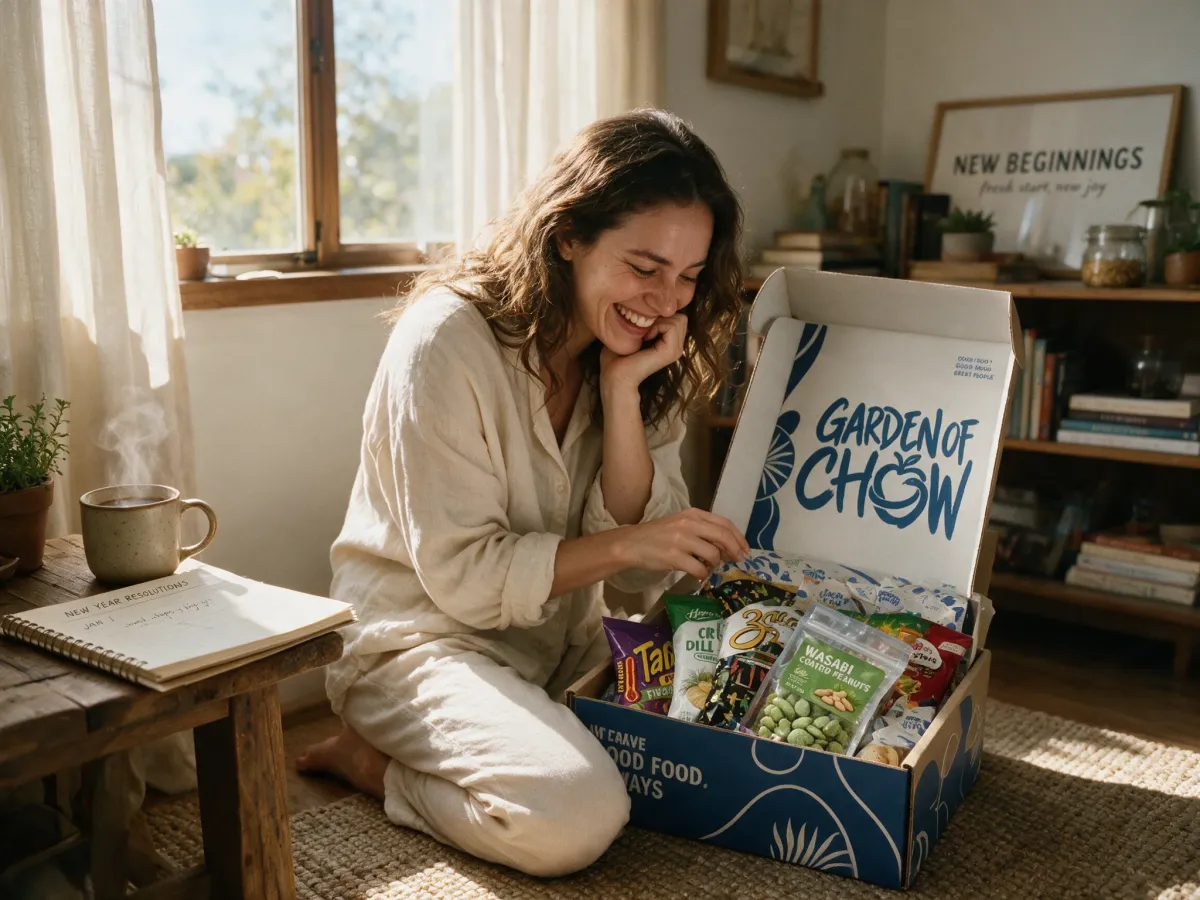
New year gift boxes to start the year
January is when everyone sets intentions and nobody gets a gift. Here's how a snack box fits the new year, for resolutions and for recovery.