
What snack culture says about a country
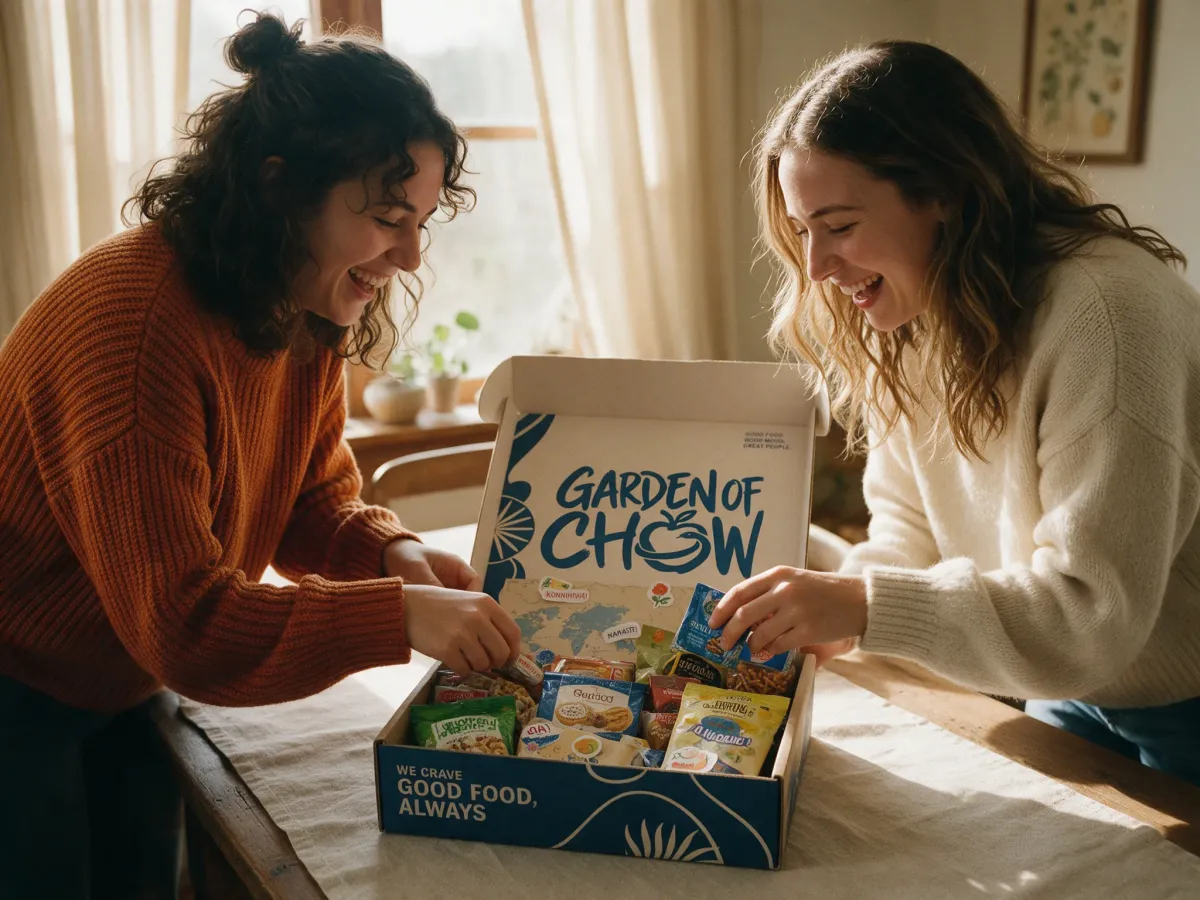
You can learn more about a country from its corner shop than from most travel guides. The snacks tell you what people value, what they grew up with, and what their climate demanded. The aisle is a small museum, and every bag is an exhibit.
Spice maps to climate and preservation
Hot snacks cluster in warm places for a reason. Chillies grow well in the heat, and they preserve food and mask spoilage. A country with a strong chilli snack culture usually has both the weather and a long history of eating fire. The heat is heritage as much as taste.
Sour and umami point to fermentation
Where you see a lot of sour and funky snacks, you usually find a fermentation tradition underneath. Pickled, aged, and cultured flavours do not come from nowhere. They come from winters that needed preserving food and generations that learned to love the tang.
Sweet says something about access
Sugar heavy snack cultures often trace back to trade routes and cheap access to sugar. Where sweetness got cheap early, the snacks went big and bright. It is not a personality thing. It is supply and history showing up in the candy aisle.
Texture is the silent tell
The crunch, chew, and slime of a snack is where cultures really differ. What one country calls a perfect crisp, another finds too hard. What one finds pleasantly chewy, another finds rubbery. Texture preferences are learned young and rarely budge.
That is the fun of an international box. You are not just tasting flavours, you are tasting decisions made long before you were born. Start with a few countries and compare. Our snacks pull from all over, so the experiment is easy. Each flavour is a small history lesson written in salt, sugar, and chilli. The more countries you taste, the more the pattern shows up.
Frequently asked questions
Why do some countries love spicy snacks?
Climate and history. Chillies grew and preserved food in warm regions, so heat became part of the food culture.
Why is texture so different across cultures?
Texture preferences are learned in childhood and tied to local cooking methods, so they vary more than flavour does.
What is the fastest way to understand a snack culture?
Try one savoury, one sweet, and one sour item. The balance between them tells you most of what you need to know.
Keep reading

Corporate gifting: how to do it without it feeling cheap
The cheapest thing about most corporate gifts is the thought behind them. Here's how to send boxes people actually want to open.
Curated snack box or subscription: which to pick
A one off box is a gift. A subscription is a recurring thing you both have to manage. Here is when each one actually makes sense.
Tracking a gift delivery without spoiling the surprise
Tracking a surprise is tricky when the recipient is the one at the door. Here is how to watch the box without giving it away.