Importing snacks into the EU, the honest version
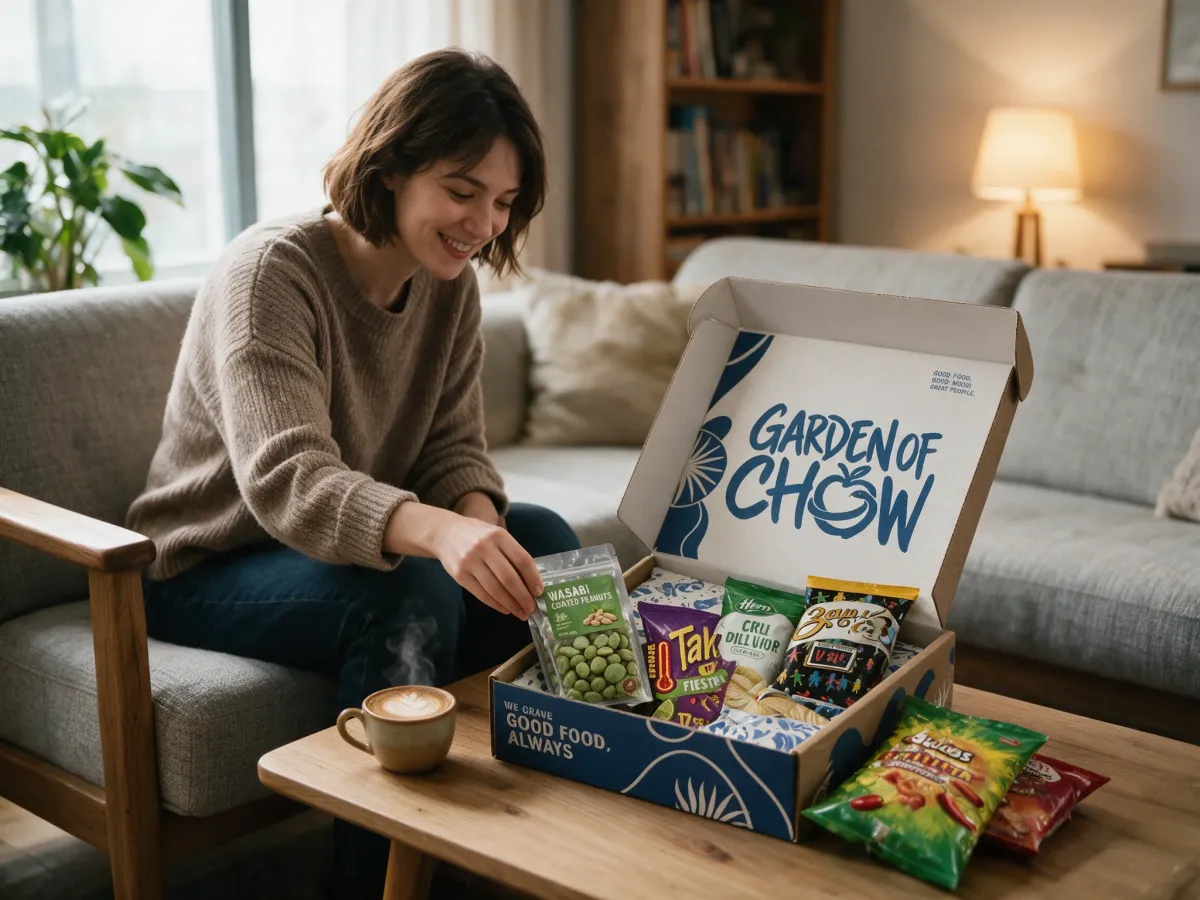
We get asked a lot how we bring international snacks into the EU. The honest answer: it's doable, but it's a paperwork project more than a shopping trip.
The label is the first wall
Every product sold in the EU needs a compliant label. Ingredients, allergens, country of origin, and an EU-based importer's address. If the original label doesn't cut it, you're re-labelling or adding a sticker. That's normal, and it's annoying.
Shelf life and temperature
Snacks with a short shelf life are a risk. By the time they clear customs and reach a customer, a short window can be gone. We look for things that can sit on a shelf, or we ship fast and in small batches.

Customs is predictable, mostly
Once you know your commodity codes and the rules for the specific country, it gets easier. The first shipment is the hard one. After that it's mostly repetition and careful records.
The honest take
None of this is impossible. It's just unglamorous, and it rewards people who keep good records. If you want to see the end result of all that effort, our snacks are the proof it works.
Frequently asked questions
Do I need an EU importer address?
Yes, for most products sold in the EU.
Can I import without a broker?
Yes, but a good broker saves you from expensive mistakes.
What's the biggest hidden cost?
Labelling and re-labelling, plus shipping on small orders.
Keep reading
Food trends to watch this year
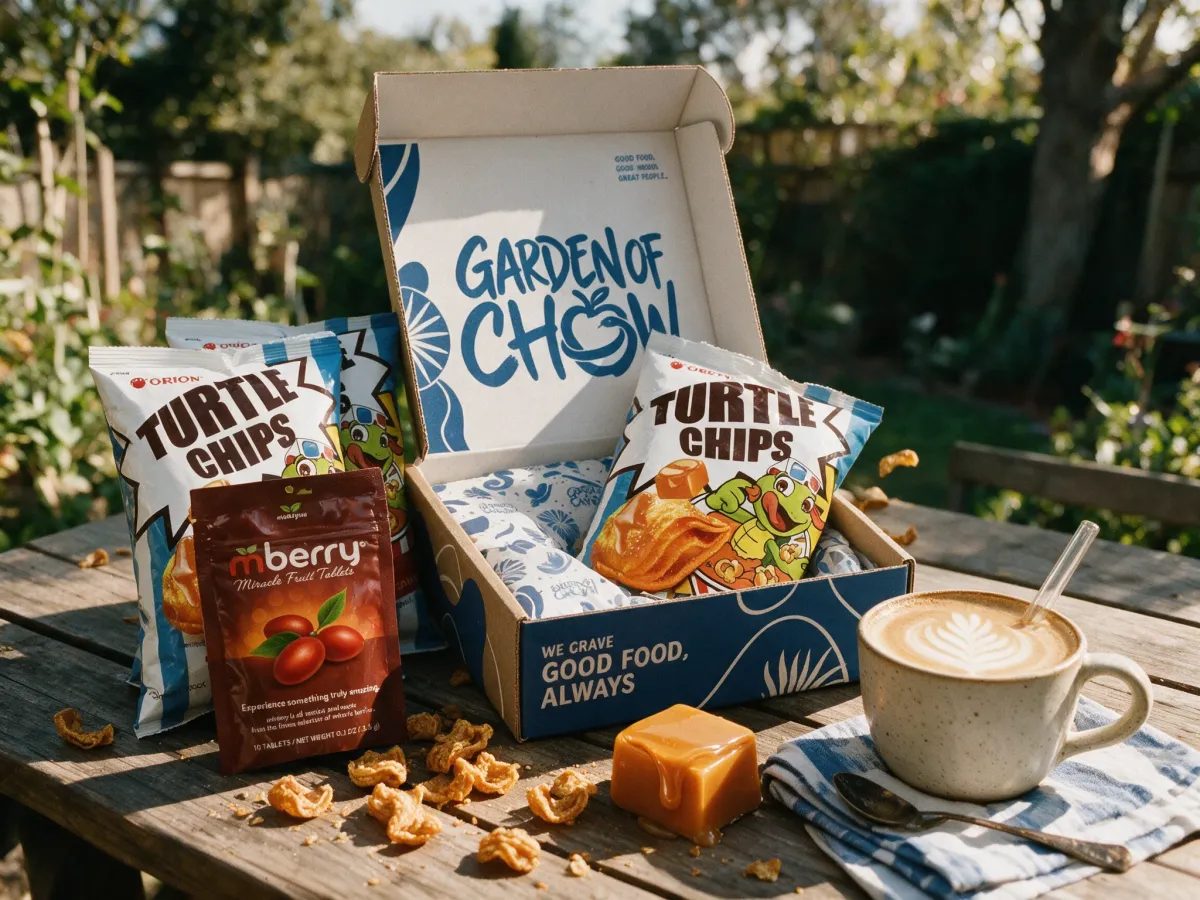
We watch food trends the way surfers watch waves. Here's what's worth paying attention to this year.
Vegan snack gift boxes, done properly
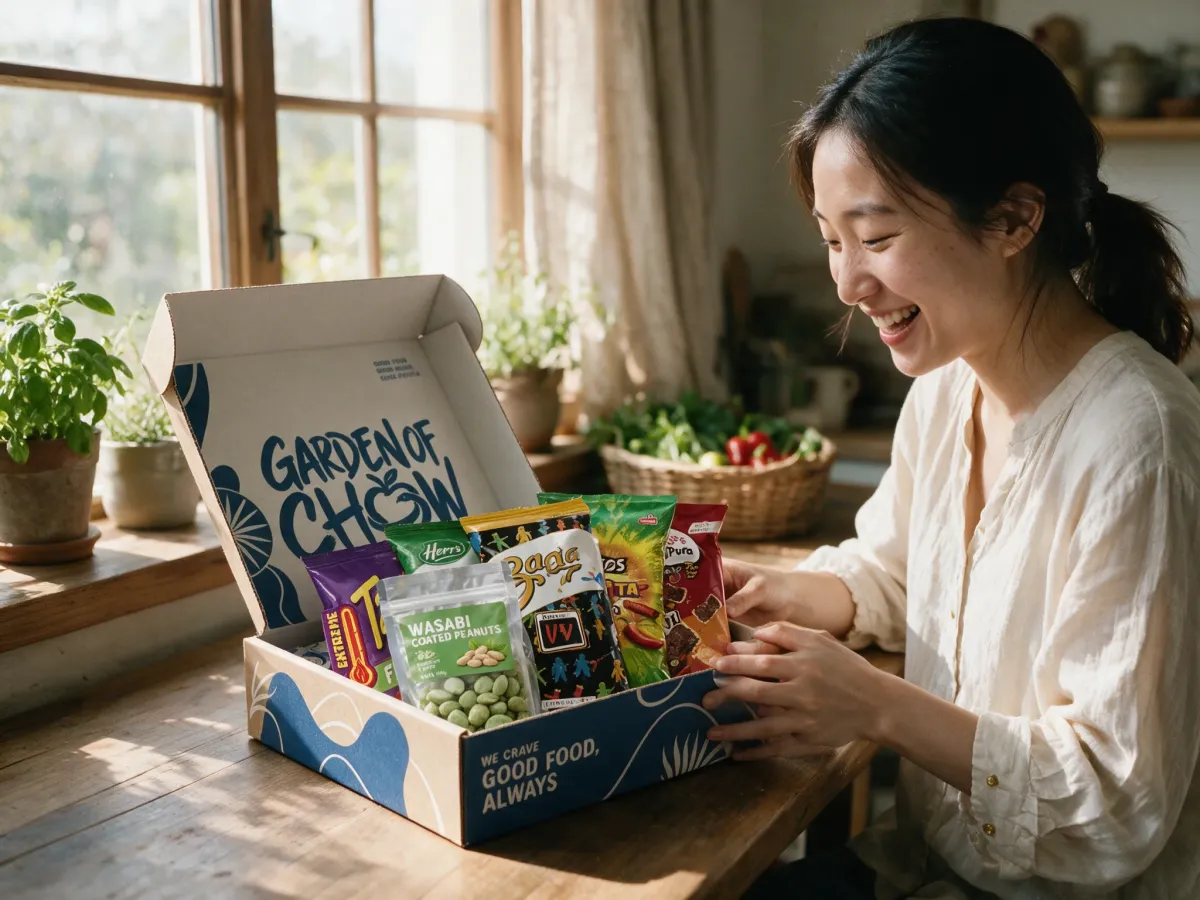
Most vegan gifts are sad and brown. A box of genuinely good vegan snacks is the way to do it without the lentils and cardboard.

Packaging that keeps snacks intact in transit
A box gets dropped, stacked, and shaken on the way to its door. Good packaging is what stops that from becoming a problem.