The specialty food market in Europe, explained
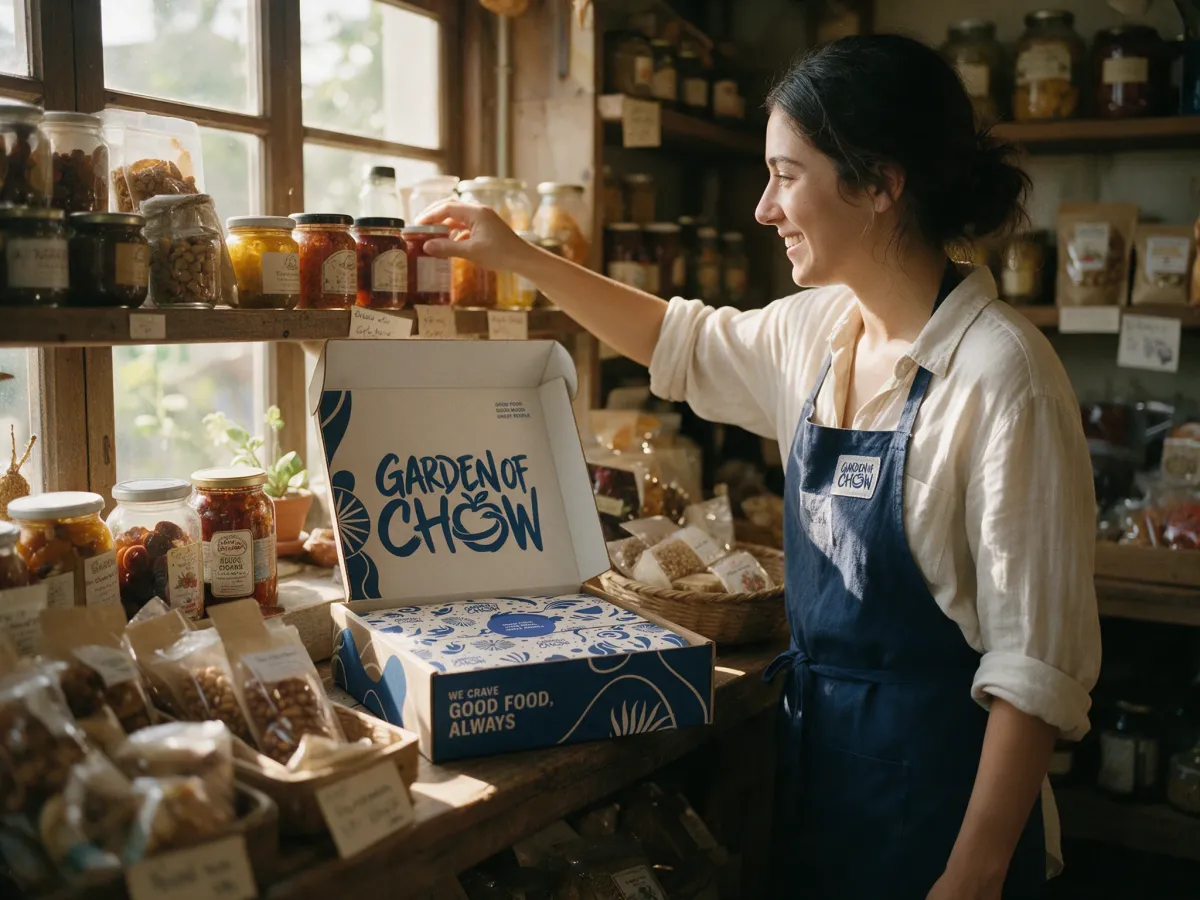
Specialty food isn't one thing. It's everything that isn't the mass-market aisle: the rare hot sauce, the small-batch sour candy, the imported snack you can't get at the supermarket. In Europe it's a fragmented but growing space.
Small brands, big personality
Most specialty food comes from small producers who can't, or won't, chase supermarket volume. They make one thing well and sell it on story and flavour. That's exactly who we source from at trade shows.

The trade show is the marketplace
Because these brands are small, they gather where buyers are. Trade shows like SIAL are where the whole market meets in one place. It's how a shop in Amsterdam reaches a producer in Seoul without a sales rep in between.
Why it keeps growing
People are bored with the same shelves. They'll pay a little more for something they've never seen, especially as a gift. Novelty and small batch are the whole reason our customers order a box instead of grabbing a bag at the counter.
You can see what that niche actually looks like in our snacks.
Frequently asked questions
What counts as specialty food?
Small-batch, rare, or imported products outside the mainstream.
Is it just expensive snacks?
Not always, but it does trade on novelty and story.
How big is the market?
Fragmented, but growing steadily across Europe.
Keep reading

How to actually taste a snack properly
You have been eating snacks your whole life, but probably not tasting them. Here is how to slow down and actually notice the flavour.
Importing snacks into the EU, the honest version
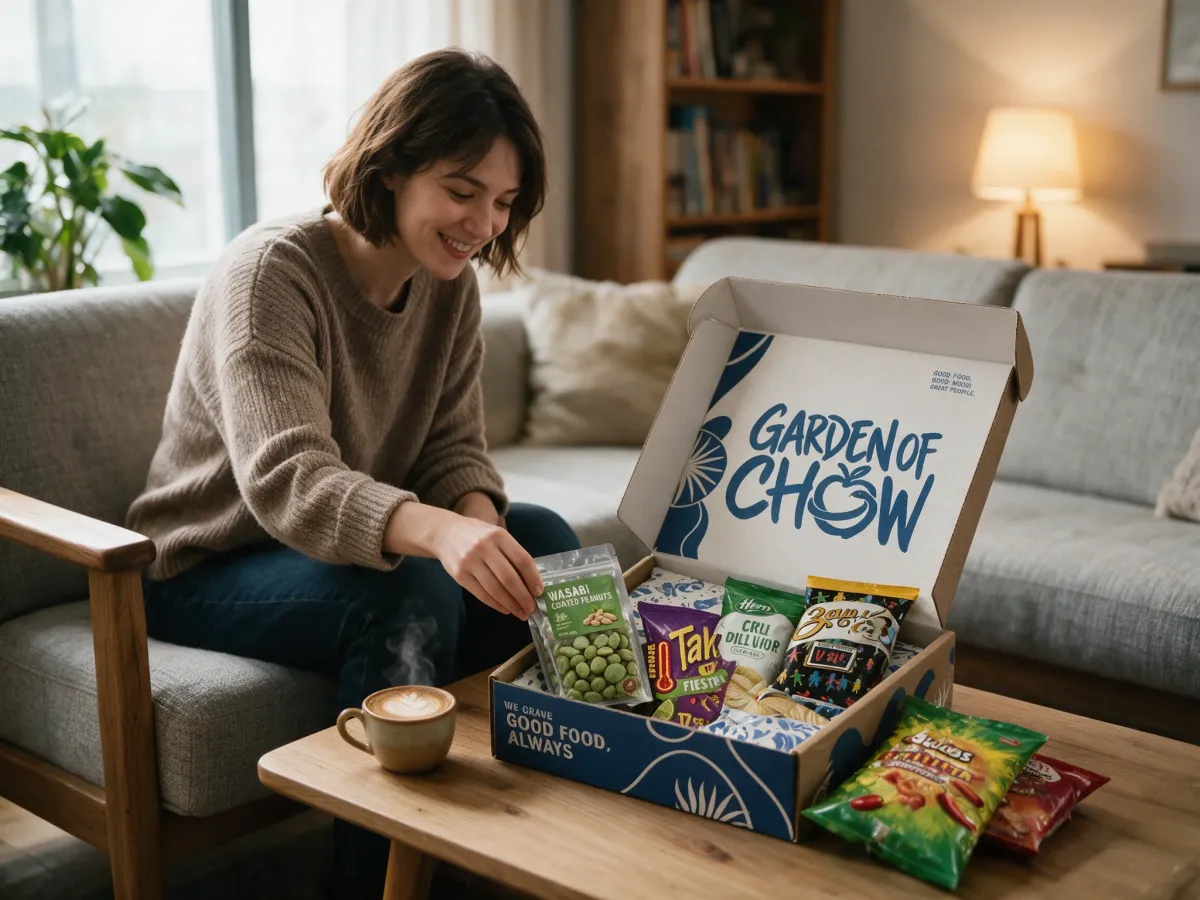
Importing snacks into the EU sounds simple until the label rules show up. Here's the honest, unglamorous version.
Food trends to watch this year
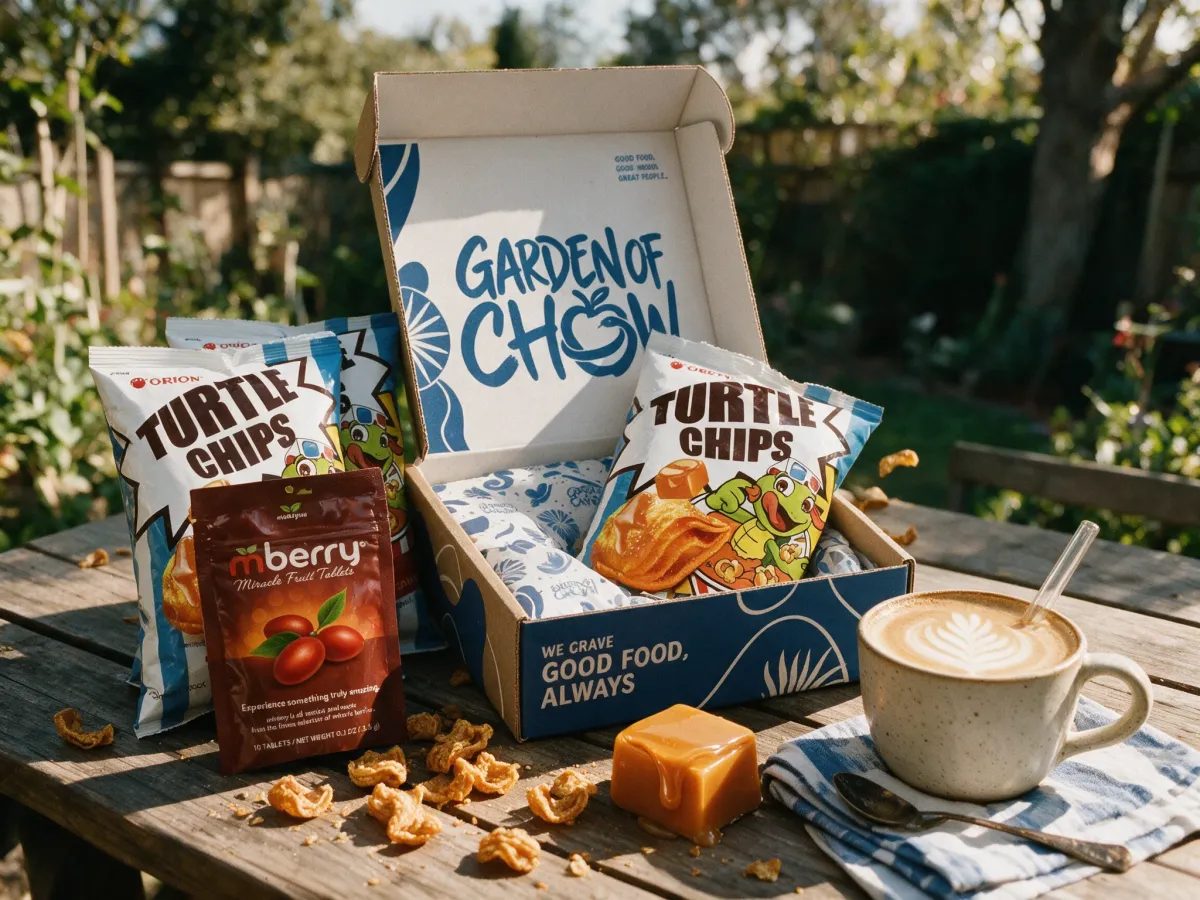
We watch food trends the way surfers watch waves. Here's what's worth paying attention to this year.